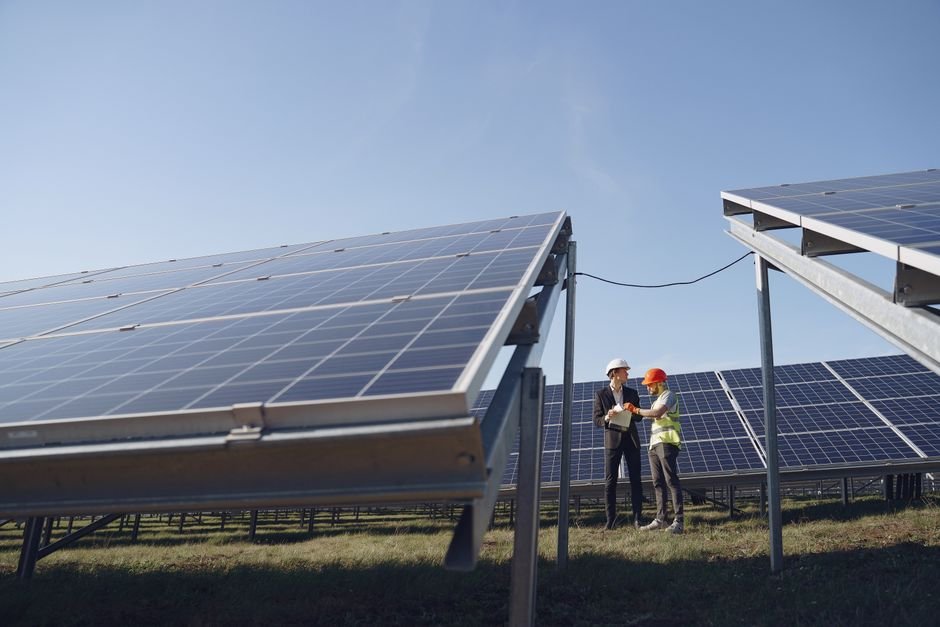
Environmental engineering applies science and design to protect water, air, and land, tackling challenges from clean water and pollution control to climate resilience and renewable energy. The university you attend determines the labs and field sites you work in, the faculty who mentor you, and the employers who recruit you long before graduation. The schools below are consistently recognized among the best in the country for their research depth, hands-on facilities, and graduate outcomes. Here are the top universities in the USA for environmental engineering to consider in 2026.

1. Stanford University
Stanford runs one of the most influential environmental engineering programs in the world, with leading research in water quality, environmental biotechnology, and sustainable energy systems. Students work in world-class labs alongside faculty who define their fields, and the university’s interdisciplinary environmental institutes connect engineering with policy, earth science, and economics.
2. University of California, Berkeley
UC Berkeley offers a world-class public environmental engineering program with deep strengths in water treatment, air quality, and environmental biotechnology. Its enormous research output and long history of environmental leadership open doors to both academia and industry, and its scale supports a wide range of specializations.
3. Massachusetts Institute of Technology (MIT)
MIT integrates environmental engineering with its Department of Civil and Environmental Engineering, leading research in water resources, climate systems, and environmental sensing. Students work in advanced labs alongside faculty who shape global environmental science, and graduates are recruited by top research institutions and firms worldwide.
4. Georgia Institute of Technology
Georgia Tech’s environmental engineering program within its School of Civil and Environmental Engineering is one of the largest and most respected in the nation. It combines strong value, extensive research, and close industry ties into a reliable launchpad for careers in water, sustainability, and infrastructure.
5. University of Michigan, Ann Arbor
Michigan combines a large, well-funded environmental engineering program with broad research strengths in water quality, sustainable systems, and environmental biotechnology. Its powerful engineering culture and active alumni network help graduates land roles at leading environmental firms and agencies.
6. University of Illinois Urbana-Champaign
Illinois offers a strong, broad environmental engineering program with notable research in water resources, hydrology, and pollution control. Its large program, respected reputation, and consistent research funding make it a dependable route into top environmental and infrastructure roles.
7. University of Texas at Austin
UT Austin’s environmental and water resources engineering program is large, respected, and known for producing capable, job-ready engineers. With deep ties to water utilities, energy, and environmental consulting, it is a favorite among students who want practical, hands-on preparation and a clear path into industry.

8. Virginia Tech
Virginia Tech is well known for its environmental engineering research, particularly in drinking water quality and public health, where its faculty have influenced national policy. Its rigorous, applied program gives students meaningful research experience and strong professional connections.
9. University of California, Davis
UC Davis offers a strong environmental engineering program with distinctive strengths in water resources, air quality, and agricultural and ecological systems. Its research depth and access to extensive field sites make it a standout for students focused on sustainability and natural resources.
10. Carnegie Mellon University
Carnegie Mellon rounds out the list with an environmental engineering program known for its data-driven, systems-oriented approach, blending engineering with policy, economics, and computation. Its interdisciplinary culture prepares graduates for complex environmental challenges across industry and government.
How we ranked these programs
This ranking weighs research output, faculty reputation, the quality of lab and field facilities, ABET accreditation, and the strength of each school’s recruiting pipeline into environmental employers. We also considered graduate outcomes such as job placement and starting salaries. You can confirm a program’s accreditation status directly through ABET, the body that accredits engineering degrees in the United States.
Admissions and what to expect
Environmental engineering programs at these schools are competitive, and admissions committees look for strong performance in calculus, chemistry, biology, and physics alongside evidence of interest in sustainability or hands-on projects. Once enrolled, expect a core sequence covering fluid mechanics, environmental chemistry, water and wastewater treatment, and air quality before you specialize. Field and lab courses, often tied to real environmental problems, are where much of the real learning happens, so weigh how each program structures that experience.
Cost, financial aid, and value
Tuition varies widely between public flagships like Berkeley, Michigan, and UT Austin and private institutions like Stanford, MIT, and Carnegie Mellon, but generous financial aid can narrow the gap considerably. Focus on net price after aid rather than sticker price, and weigh in-state tuition advantages if you are considering a strong public program. For independent data on tuition, enrollment, and graduate outcomes, the National Center for Education Statistics is a reliable starting point.
Careers and salary outlook
Environmental engineering is a growing and impactful path, with graduates working in water utilities, environmental consulting, energy, and government agencies. According to the U.S. Bureau of Labor Statistics, environmental engineers earn strong median salaries with steady projected job growth. If you are weighing related disciplines, compare this field with our guide to the top universities in the USA for electrical engineering and the top universities in the USA for architecture, which share overlapping design and sustainability themes.
How to choose the right program for you
Look beyond rankings to the research areas, lab facilities, and industry partnerships that match your interests, whether that is water treatment, air quality, climate resilience, or renewable energy. Consider accreditation, cost after financial aid, location relative to the environmental challenges you care about, and the strength of each school’s career services. If you are still exploring fields outside engineering, our guide to the top universities in the USA for nursing shows how program culture differs across disciplines.
Trends shaping environmental engineering in 2026
Environmental engineering is changing quickly, and the strongest programs reflect that shift. Climate resilience now drives much of the field, from flood-resistant infrastructure to carbon capture and low-emission systems, so look for departments with dedicated climate and sustainability institutes. Water security is another major theme, spanning advanced treatment, reuse, and desalination as communities face growing scarcity. Data and sensing technologies, including remote monitoring and machine learning, are transforming how engineers track and manage air, water, and ecosystems. Renewable energy and the circular economy increasingly shape the curriculum as well. When you evaluate a program, ask how it weaves these themes into core courses, design projects, and research, because employers in 2026 expect graduates who can work across these emerging areas with confidence.
Final thoughts
Any of these ten universities can set you on the path to a rewarding environmental engineering career in 2026, but your growth ultimately depends on how fully you use the opportunities in front of you. Hands-on field work, internships, and research involvement matter just as much as the program’s name. Use this list to focus your search, then dig into each program’s strengths and culture to find the one that best fits the engineer you want to become.