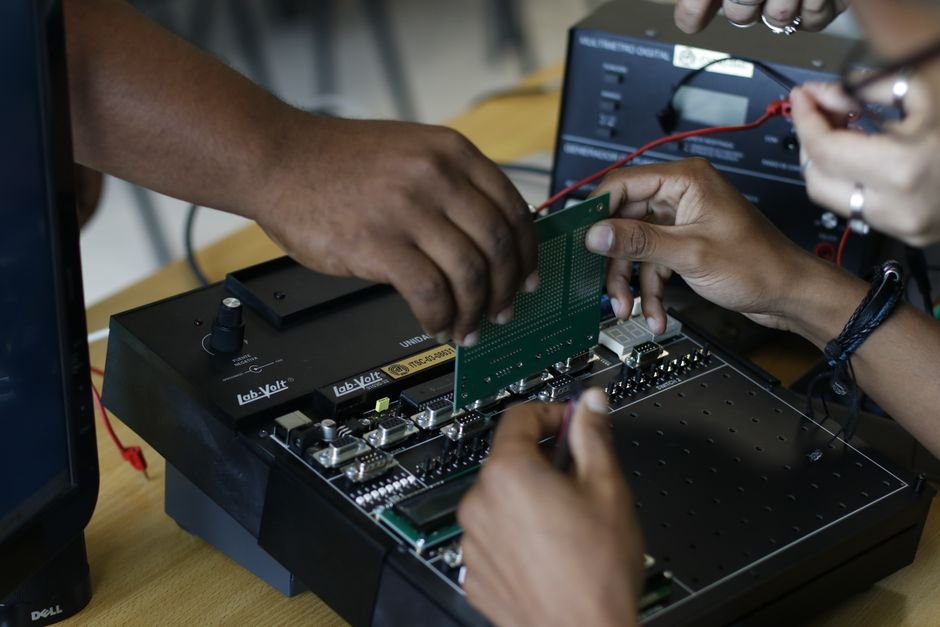
Electrical engineering powers nearly everything in modern life, from microchips and power grids to wireless networks, robotics, and renewable energy systems. Where you study shapes the labs you work in, the faculty who mentor you, and the companies that recruit you. The schools below are consistently recognized among the best in the United States for electrical engineering, known for their research output, hands-on facilities, and graduate outcomes. Here are the top 10 universities in the USA for electrical engineering to consider in 2026.

1. Massachusetts Institute of Technology (MIT)
MIT’s Department of Electrical Engineering and Computer Science is among the most influential in the world, blending theory with practical innovation in areas like microelectronics, signal processing, and artificial intelligence. Students benefit from world-class research labs and a culture that constantly pushes the limits of what technology can do.
2. Stanford University
Stanford’s electrical engineering program is a global leader, especially in semiconductors, communications, and emerging fields like photonics and machine learning. Its proximity to Silicon Valley gives students unmatched access to internships, startups, and leading technology companies.
3. University of California, Berkeley
UC Berkeley’s electrical engineering and computer sciences department is renowned for groundbreaking research in chip design, circuits, and systems. As a top public university, it offers exceptional resources and a vibrant innovation ecosystem in the Bay Area.
4. California Institute of Technology (Caltech)
Caltech is small, selective, and intensely research-focused, with a powerful electrical engineering program covering control systems, communications, and applied physics. Its low student-to-faculty ratio means students often work closely with leading researchers on cutting-edge problems.
5. Georgia Institute of Technology
Georgia Tech’s School of Electrical and Computer Engineering is one of the largest and most respected in the country, with deep strengths in power systems, telecommunications, and embedded systems. Its strong industry ties make it a favorite for students seeking hands-on, career-ready education.
6. University of Illinois Urbana-Champaign (UIUC)
UIUC has a long, storied history in electrical engineering, contributing to landmark advances in computing and semiconductors. Its well-equipped labs and collaborative research culture continue to attract ambitious engineers from around the world.
7. University of Michigan, Ann Arbor
Michigan’s electrical and computer engineering program combines strong fundamentals with research in robotics, power, and integrated circuits. Its well-resourced facilities and collaborative environment prepare students for a wide range of careers in the field.
8. Carnegie Mellon University
Carnegie Mellon’s electrical and computer engineering department is especially strong in areas where hardware meets software, including embedded systems, robotics, and machine learning. Its interdisciplinary culture is ideal for students who want to bridge engineering and computing.
9. Purdue University
Purdue’s electrical and computer engineering program is large, respected, and known for excellent teaching alongside research in nanotechnology, power, and communications. Its graduates are highly valued by employers across the technology and energy industries.
10. University of Texas at Austin
UT Austin rounds out the list with a strong electrical and computer engineering program and deep ties to the semiconductor industry concentrated in the region. Its resources, faculty, and location support a wide range of engineering interests and career paths.
How to choose the right electrical engineering program
Look for ABET-accredited programs, since accreditation signals quality and matters for many engineering careers and licensure paths. Consider the research areas that excite you most, whether that is power, microelectronics, communications, or robotics, and weigh lab facilities, faculty, cost after aid, and proximity to the industries where you hope to work. If you are still mapping out your options, our guide to the top universities in the USA for architecture shows how program culture can vary across disciplines. For independent data on programs and outcomes, the National Center for Education Statistics is a reliable resource, and ABET lets you verify a program’s accreditation status.
Final thoughts on the top universities in the USA for electrical engineering
Any of these ten universities can set you on the path to a rewarding electrical engineering career in 2026, but your growth depends on how fully you engage with the labs, internships, and research community around you. Use this list to focus your search, then explore each program’s strengths and culture to find the one that best fits the engineer you want to become.