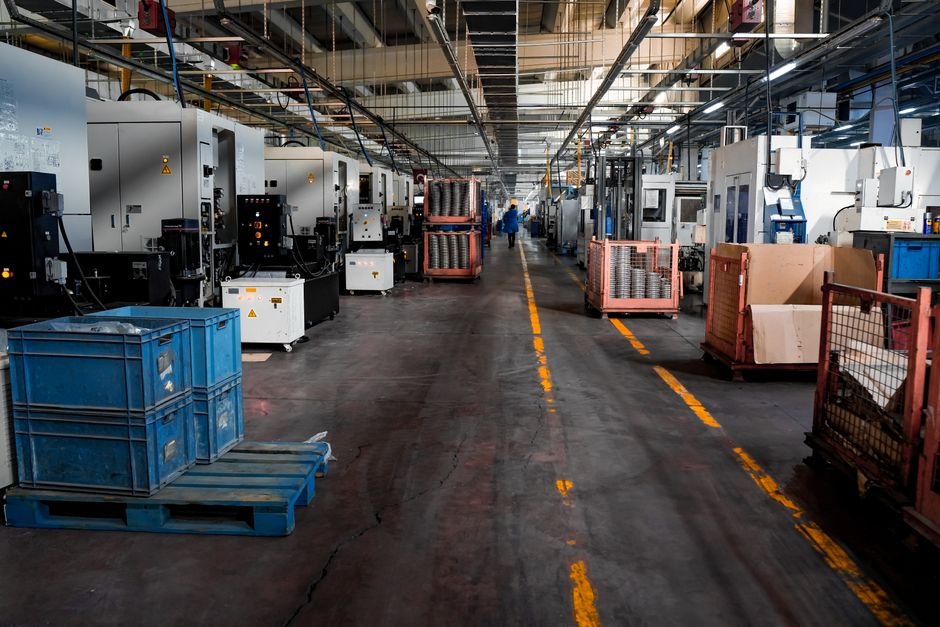
Industrial engineering is the discipline of making complex systems work better, applying optimization, data, and human factors to manufacturing, logistics, healthcare, and services. As automation, analytics, and supply chain resilience reshape the field, the university you choose determines the labs you can access, the faculty who mentor you, and the employers that recruit you before graduation. The schools below are consistently recognized for their research depth, systems and operations facilities, and strong graduate outcomes. Here are the top universities in the USA for industrial engineering to consider in 2026.
1. Georgia Institute of Technology
Georgia Tech’s H. Milton Stewart School of Industrial and Systems Engineering is the largest and most respected program of its kind in the country, consistently ranked number one. Its strengths span optimization, supply chain engineering, analytics, and manufacturing, and its enormous research output and deep corporate ties make it a premier launchpad into industry and academia alike.
2. University of Michigan
Michigan’s industrial and operations engineering department combines rigorous training with strong research in optimization, ergonomics, and healthcare systems. Its balance of theory and application, along with a powerful alumni network, gives graduates a clear path into consulting, manufacturing, and technology roles.
3. University of California, Berkeley
Berkeley’s industrial engineering and operations research program is a leader in optimization, analytics, and financial engineering, reinforced by its Bay Area location. Its research-driven culture and proximity to leading technology firms open doors to both industry and advanced graduate study.

4. Purdue University
Purdue runs a large, highly regarded industrial engineering program with strengths in manufacturing systems, human factors, and operations research. Its practical, project-driven culture and strong industry partnerships make it a favorite among employers seeking job-ready engineers.
5. Northwestern University
Northwestern’s industrial engineering and management sciences department blends analytics, optimization, and business, producing graduates equally comfortable in engineering and consulting roles. Its interdisciplinary approach and Chicago-area location provide strong connections to industry and finance.
6. Virginia Tech
Virginia Tech’s Grado Department of Industrial and Systems Engineering offers a broad, respected program with notable strengths in human factors, manufacturing, and systems analysis. Its research centers and industry collaborations give students meaningful hands-on experience with real systems.
7. Pennsylvania State University
Penn State offers a strong industrial engineering program with deep expertise in manufacturing, service systems, and operations research. Its large alumni base and consistent research funding make it a dependable route into engineering and analytics careers across many industries.

8. University of Wisconsin-Madison
Wisconsin offers a well-rounded industrial and systems engineering program with strengths in healthcare systems, human factors, and quality engineering. Its research reputation and collaborative culture prepare students for careers that improve processes across manufacturing, healthcare, and services.
9. Texas A&M University
Texas A&M’s industrial and systems engineering department is large and industry-focused, with strengths in operations research, logistics, and manufacturing. Its close ties to energy, aerospace, and manufacturing employers give students strong internship and recruiting opportunities.
10. Cornell University
Cornell rounds out the list with its operations research and information engineering program, an Ivy League powerhouse in optimization, data science, and financial engineering. Its analytical rigor and strong recruiting into technology and finance make it a standout for students drawn to quantitative work.
How we ranked these programs
This ranking weighs research output, faculty reputation, the quality of systems and manufacturing facilities, ABET accreditation, and each school’s recruiting pipeline into industry. We also considered graduate outcomes such as job placement and starting salaries. You can confirm a program’s accreditation status directly through ABET, the body that accredits engineering degrees in the United States.
Admissions and what to expect
Industrial engineering programs at these schools are competitive, and admissions committees look for strong performance in calculus, statistics, and physics alongside interest in systems and problem solving. Once enrolled, expect a core sequence covering operations research, probability and statistics, optimization, manufacturing systems, and human factors before you specialize. Simulation labs, capstone projects, and industry-sponsored design work are where much of the real learning happens, so weigh how each program structures that experience.
Cost, financial aid, and value
Tuition varies widely between public flagships like Georgia Tech, Michigan, and Purdue and private institutions like Northwestern and Cornell, but generous financial aid can narrow the gap considerably. Focus on net price after aid rather than sticker price, and weigh in-state tuition advantages if you are considering a strong public program. For independent data on tuition, enrollment, and graduate outcomes, the National Center for Education Statistics is a reliable starting point.
Careers and salary outlook
Industrial engineering is one of the most versatile engineering paths, with graduates working in manufacturing, logistics, healthcare, consulting, and technology. According to the U.S. Bureau of Labor Statistics, industrial engineers enjoy strong demand and solid median salaries, with broad opportunities across sectors. If you are weighing related disciplines, compare this field with our guide to the top universities in the USA for electrical engineering, which shares many of the same standout schools.
How to choose the right program for you
Look beyond rankings to the research areas, labs, and industry partnerships that match your interests, whether that is supply chain, healthcare systems, human factors, or analytics. Consider accreditation, cost after financial aid, location relative to the industries where you want to work, and the strength of each school’s career services. If you are exploring how systems thinking connects to computing, our guide to the top universities in the USA for computer science shows how program culture differs across disciplines.
Trends shaping industrial engineering in 2026
Industrial engineering is evolving quickly, and the strongest programs reflect that shift. Data analytics and machine learning now sit at the heart of the field, powering demand forecasting, process optimization, and predictive maintenance, so look for departments that weave analytics into core courses. Supply chain resilience has become a strategic priority after years of global disruption, and employers value engineers who can design robust, flexible systems. Automation, robotics, and smart manufacturing are reshaping factories, while human factors and healthcare systems engineering continue to expand the field beyond traditional industry. When you evaluate a program, ask how it integrates analytics, automation, and systems design into its curriculum and research, because employers in 2026 want industrial engineers who can optimize increasingly complex, data-rich operations.
Final thoughts
Any of these ten universities can set you on the path to a rewarding industrial engineering career in 2026, but your growth ultimately depends on how fully you use the opportunities in front of you. Hands-on projects, internships, and research involvement matter just as much as the program’s name. Use this list to focus your search, then dig into each program’s strengths and culture to find the one that best fits the engineer you want to become.